Scope & Deliverables
Citizen Café Platform
Transformed the class students' portal into a SaaS learning platform


Reimagining Citizen Café's Learning Experience
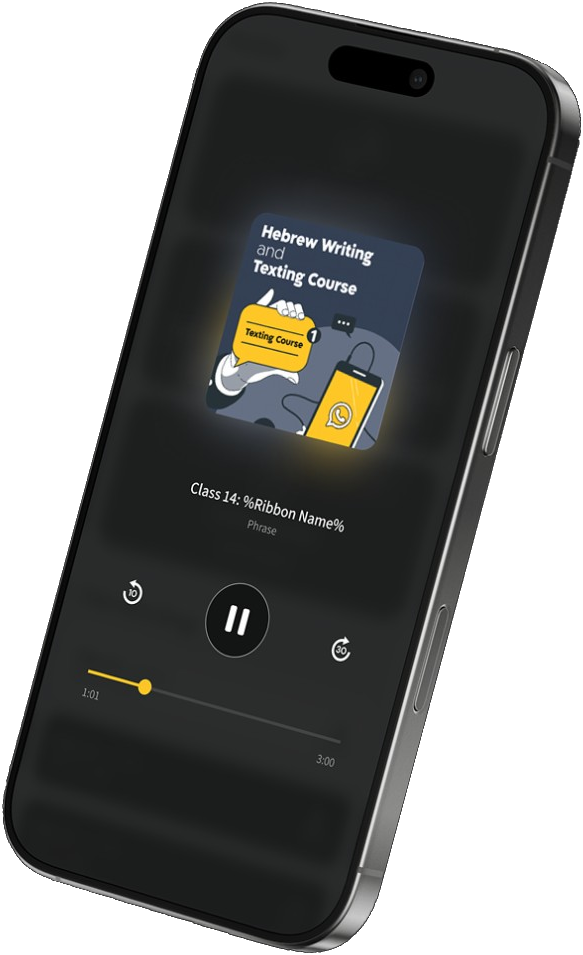
Transformed the class students' portal into a SaaS learning platform
Designed a new feature for one-to-one conversation practice

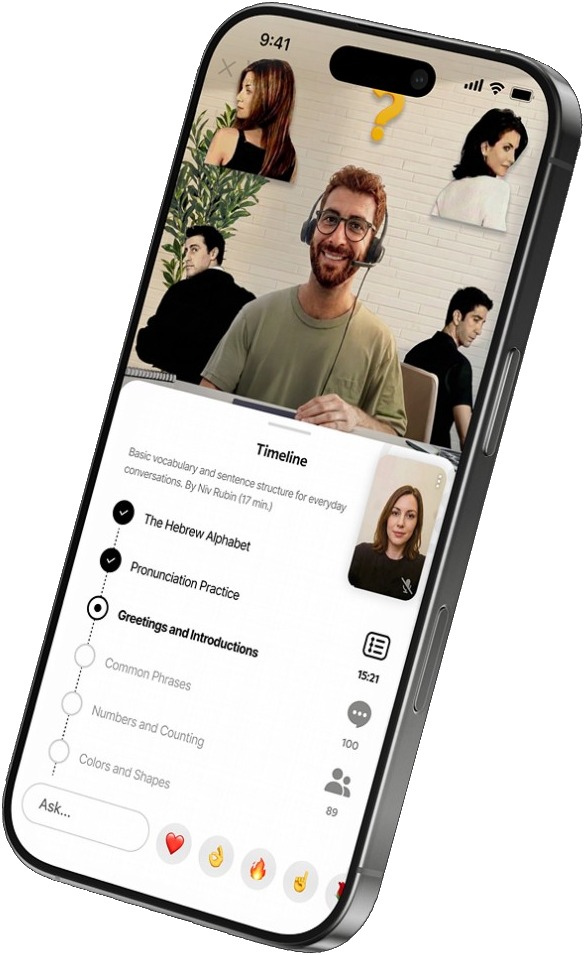
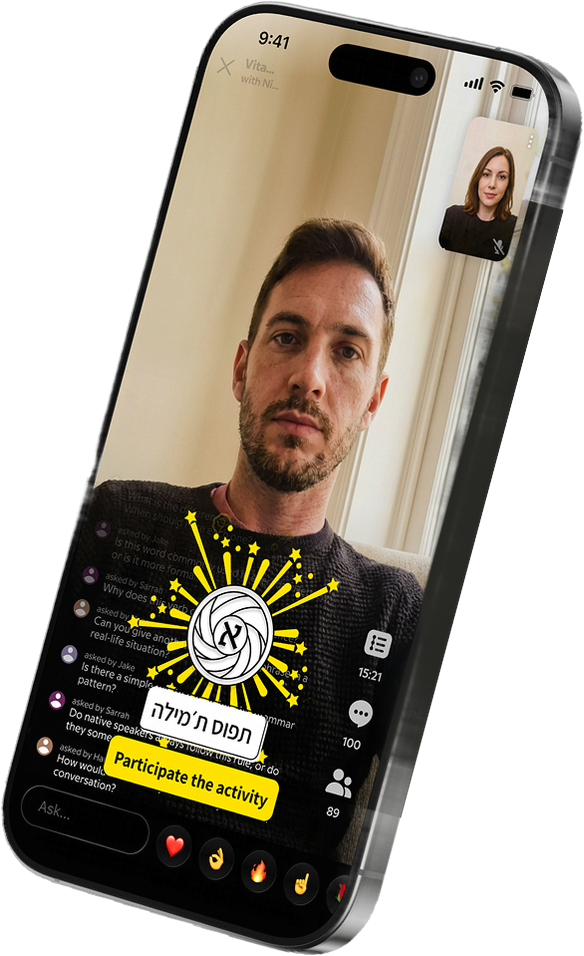
Designed a new feature for interactive live lessons

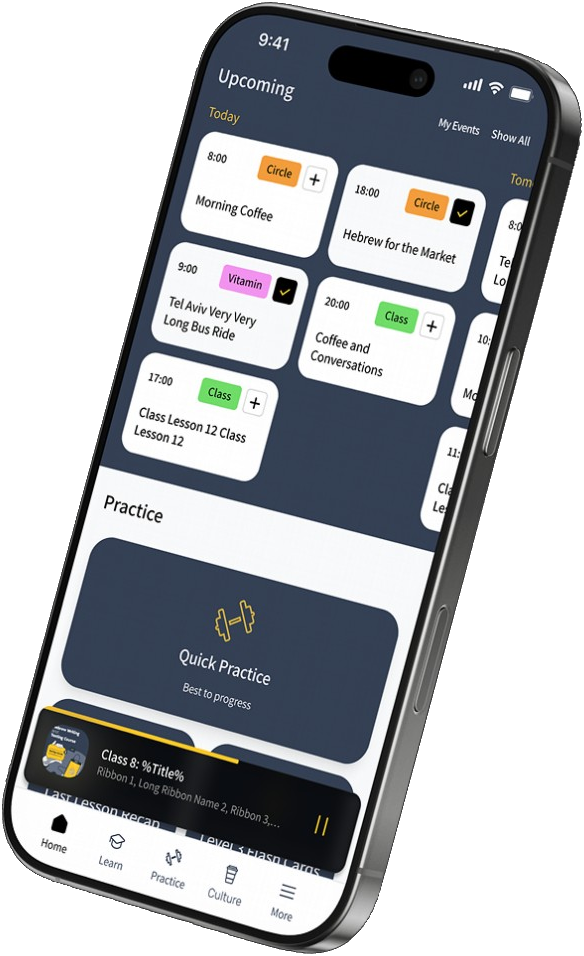
Redesigned the existing self-practice tools

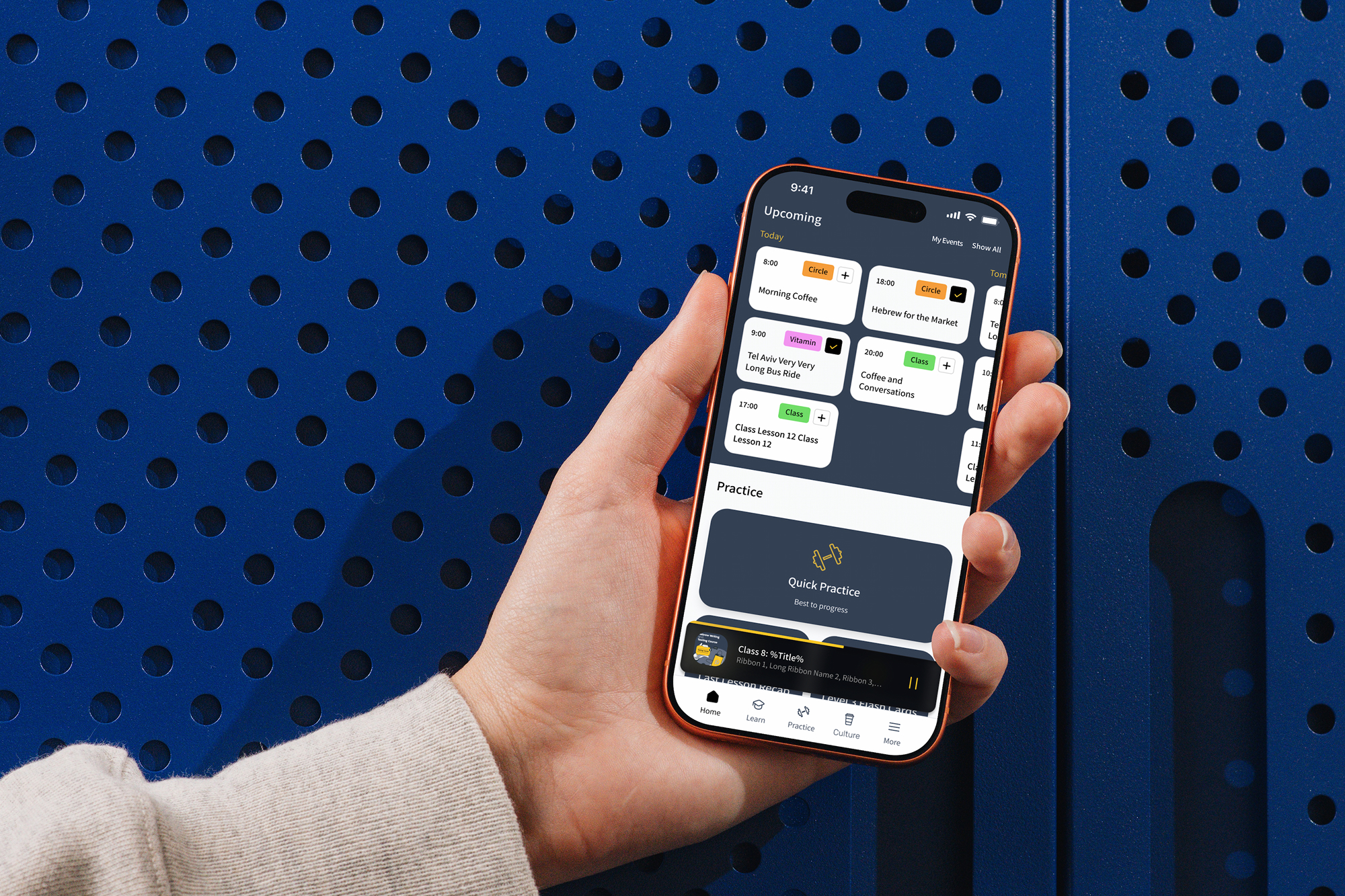
Transformed the class students' portal into a SaaS learning platform
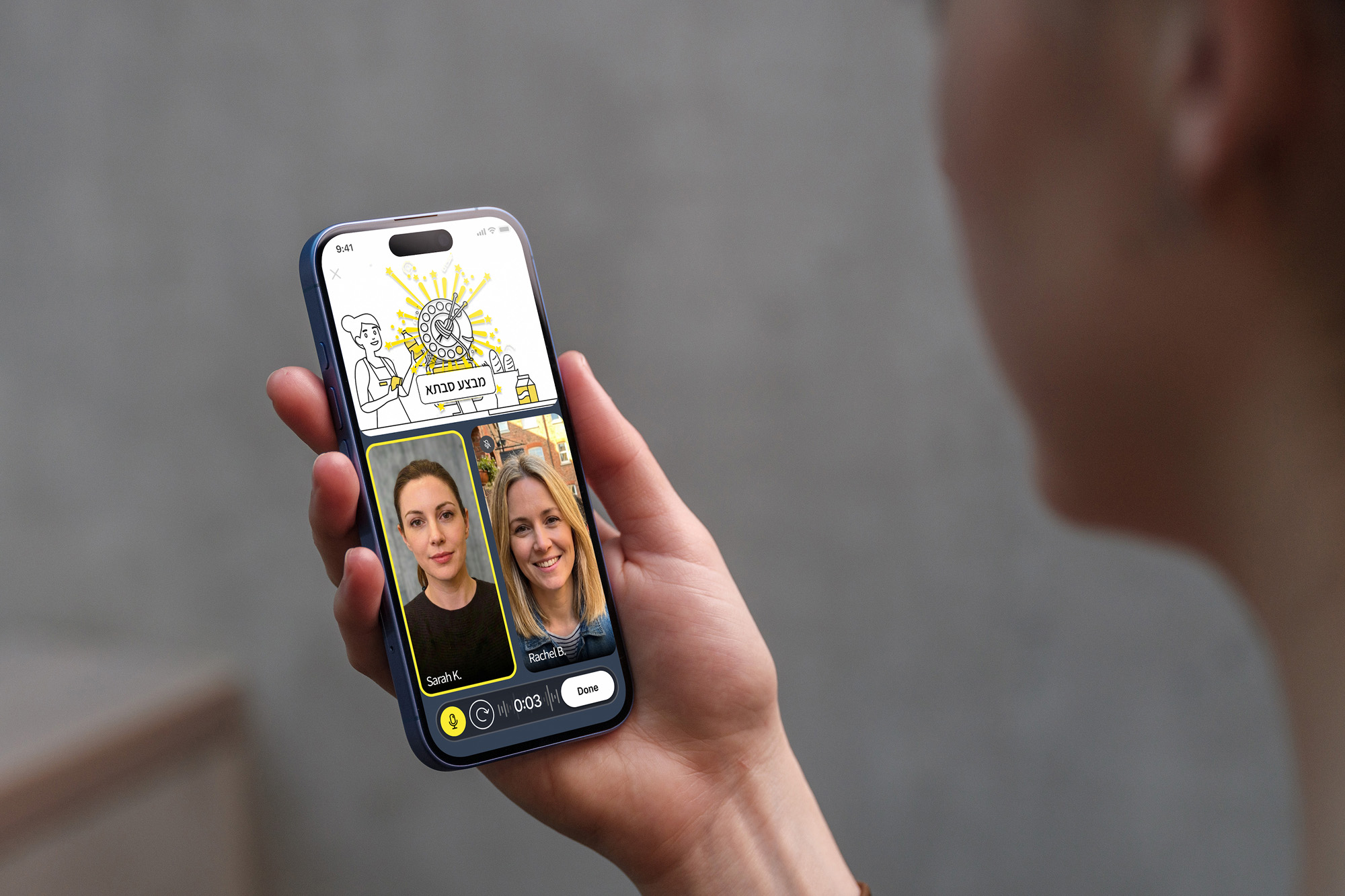
Designed a new feature for one-to-one conversation practice
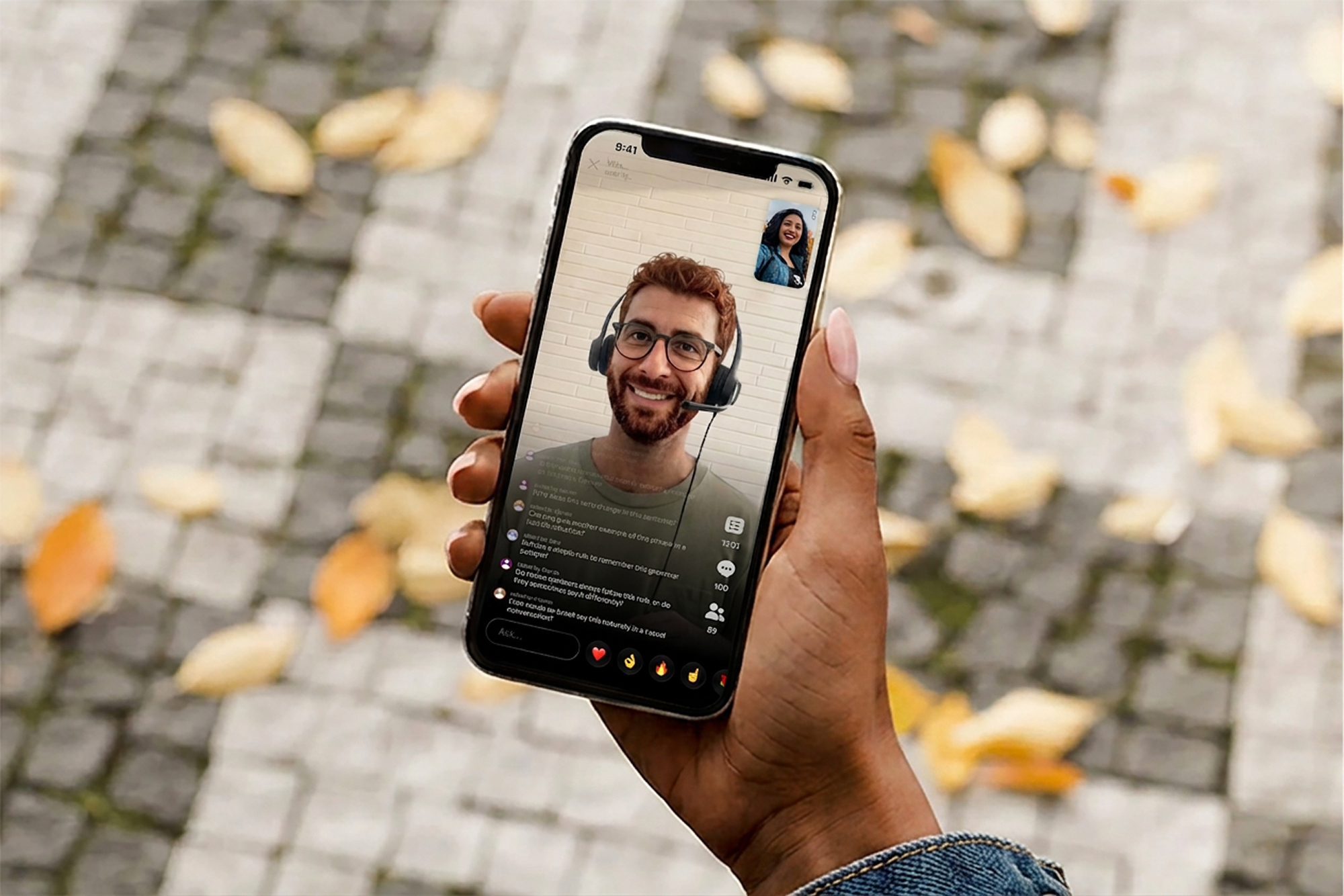
Designed a new feature for interactive live lessons
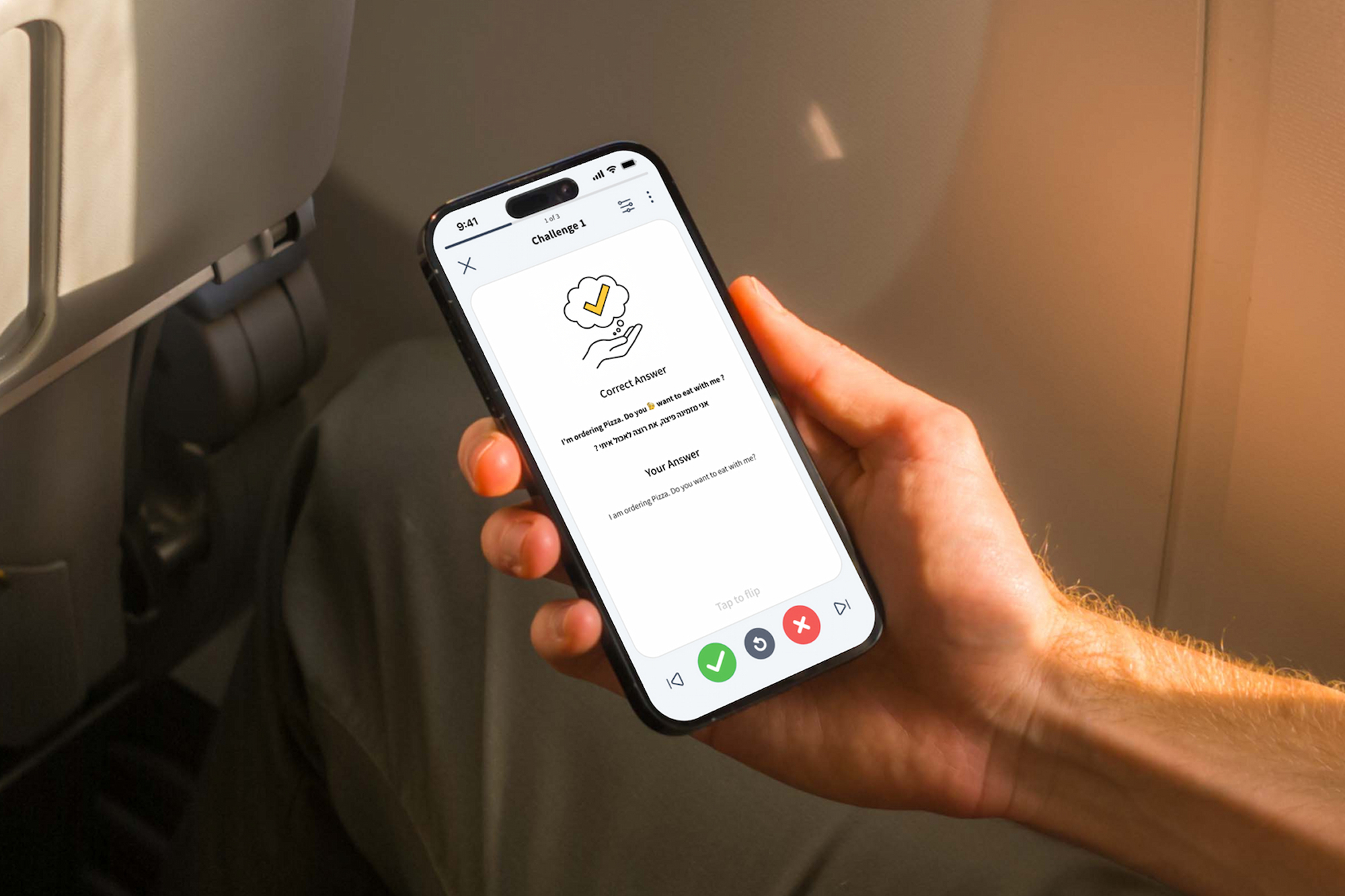
Redesigned the existing self-practice tools
Met with Citizen Café's founders and the Heads of Product and Marketing to align on strategic goals, expected business impact, and the value proposition.
Met with the school director and teachers to understand the education system, gaps, edge cases, and pedagogical vision, for example, no grades, scores, or comparison between students.
With the product team, surveyed students to validate needs across contexts and levels, then used card-sorting to prioritise those needs.
Drilled into existing data to validate solution proposals and uncover gaps between assumptions and actual student behaviour.
Because no single competitor offered the same end-to-end experience, I broke the research into key product areas and analysed relevant products for each: self-paced practice, scheduled sessions, podcasts, progression systems, and community features.
Some learning-system and content-related findings are omitted to protect Citizen Café's intellectual property.
Students need one mobile-first hub to find relevant learning materials and connect with peers to practice speaking and share Israeli cultural content.
App-based learning was the highest-rated format among students.
A study analysing ~6.4M video-call sessions found 74.6% preferred portrait mode for sessions under 45 minutes, despite landscape being available.
Students need an intuitive view of what they've completed, where they are, and what they can do next.
Live speaking practice outside scheduled sessions was a key unmet need.
Students need simple ways to stay connected to the language and engage with peers around Israeli cultural content.
To shape a more effective and engaging solution, I ran a focused discovery cycle to map the current student experience, identify pain points and opportunities, and understand technical constraints.
This approach allowed us to deliver a focused V1 without creating an experience that would need to be redesigned as the platform expands.


A highly motivated student following a structured, teacher-led course.
A clear weekly structure, visible milestones, and support not to fall behind
Make small talk with an Israeli business partner within three months.
Missing lessons can create gaps that make it hard to keep pace with the class and complete self-practice.
| Class Student | Trial Subscriber | Paid Subscriber | Former Student |
|---|---|---|---|
|
|
|
|
How does one platform serve four personas without fragmenting into four products?
Personas: All students (Class Student, Trial Subscriber, Paid Subscriber, Former Student)
Scope: Information Architecture, Class student homepage
The existing portal served Class Students only. The new platform had to serve four personas, across far more features and content.
The Journey Matrix, built on research findings, showed each persona needs something different. Learning level adds a second axis on top.
Bridging students' and business needs, I defined the principles that shaped the content organization across the platform:
From there, I built the sitemap, covering four shared student needs that fully covers Citizen Café's offering:
All four sections are available to every persona; what differs is the content inside them.
To motivate students to progress or convert, every feature is visible even where access hasn't been earned yet. Students see unavailable features as locked.
Note: Class materials are the exception — they stay hidden rather than locked.
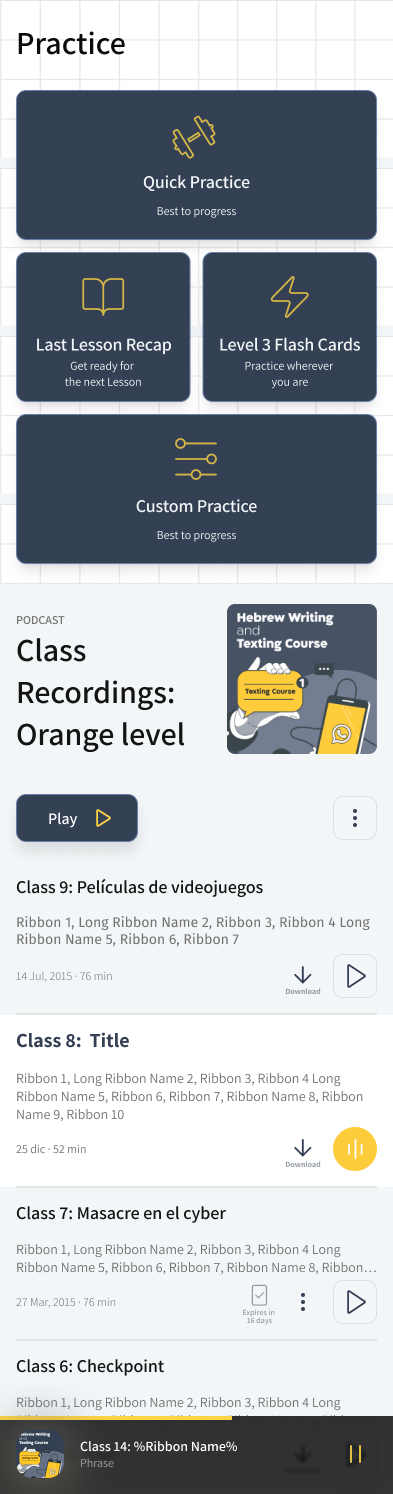
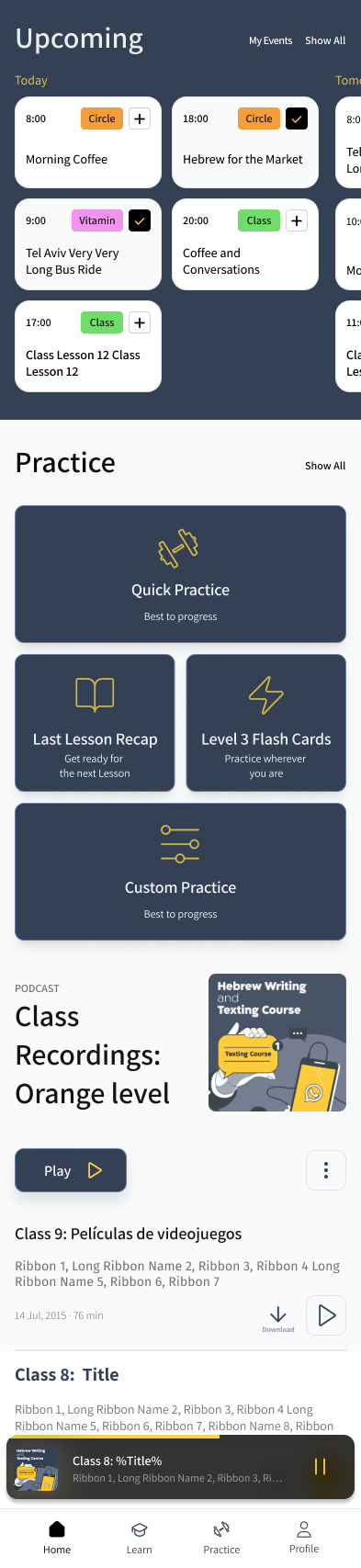
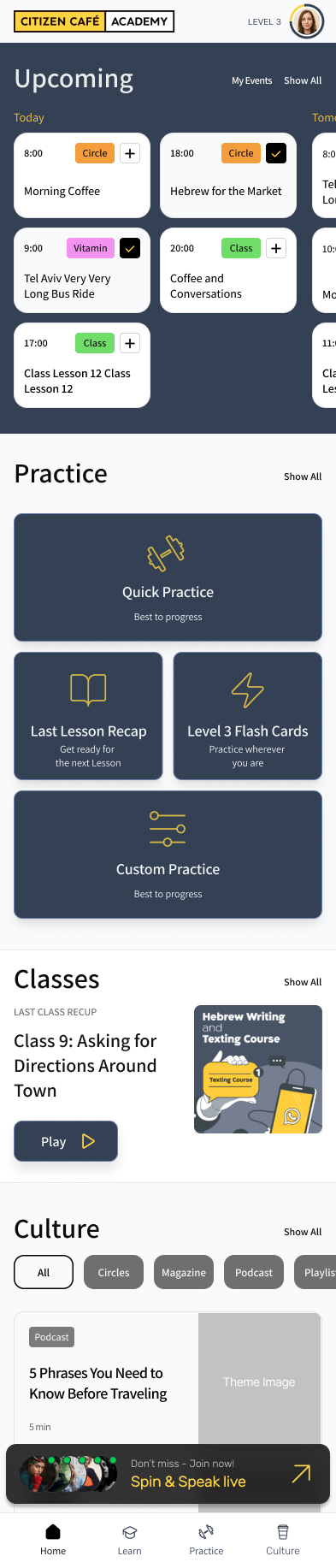
Focusing on a single platform experience, I designed three modules that surface each student's next relevant step.
Note: All platform features are managed via the back office, with persona- and level-based configuration.
I ran usability sessions with internal SMEs and student focus groups to test whether the UX was clear, easy to navigate, and fast to act on.
At handoff the platform entered development.
As the learning experience expanded, students needed support to combine live learning with flexible practice without feeling overwhelmed or missing relevant opportunities.
Persona: Class Students
Scope: Scheduling & Notification system
Initially, learning centered on classes:
Through student interviews and conversations with teachers and the internal team, I found that the new tools introduced new challenges:
Implement new tools that allow new ways to learn, practice and Immerse:
Teachers already guided students’ next steps during classes, through RSVP emails, and in WhatsApp groups. I expanded this proven guidance model into a built-in platform experience.
This solution reached design handoff without a usability round, so nothing here has been validated with students yet. Below is the plan I would run first.
Unlike Class Students, who learned through teacher-led classes, the new SaaS subscriber audience needed to manage their learning independently, choose what to study, and progress at their own pace.
Persona: Paid subscriber, Trial subscriber
Scope: Progression system, Homepage
Without classes and teacher guidance, subscribers may lack a clear path through the product. They may not know where to start or how to progress, making it harder to see the value of upgrading to a paid subscription.
All this could ultimately lead to churn.
The progression system needed to balance student freedom, clear direction, consistent milestones and tangible progress.
Based on the competitive analysis findings, I designed this SaaS subscriber experience

Subscribers get a personalized homepage tailored to their primary need: guiding them through their learning journey.
The homepage displays the student’s learning path: their active tier, structured as a series of levels that must be completed to advance to the next tier.
Upon login, students are directed to their current level while retaining full visibility of and access to past and future levels.
To preserve Citizen Café’s color-based leveling system, tiers use colors while levels use sequential numbers expected by SaaS subscribers.
Each level contains clear, straightforward tasks that students must complete to progress.
Each task includes multiple Beats, but students usually need to complete only some to clear the task.
Beats represent different learning-session formats, including Vitamin Sessions, Practice, and Spin & Speak.
Beats introduce key app features at meaningful milestones in the learning journey.
Example
At Level 5, students complete their first Spin & Speak session as a required task.Certain Beats remain locked until students complete prerequisite activities. Clear criteria show students what to do next and encourage progress.
Example
Completing a Vitamin Session unlocks the subsequent Practice activity.
Beats can also foster positive study habits and support growth marketing goals.
Example
Maintaining a three-day study streak.Inviting three friends to the platform.Students retain unlimited access to completed task Beats, allowing them to fulfill them at any time.
Note: Implementation of a platform economy, using one or more currencies, could enable greater progress flexibility in the future.
The progression system is still a future concept and has not yet been tested, as there are no subscribers at this stage. Once the feature is released, the following research plan should be used to validate the proposed approach.